
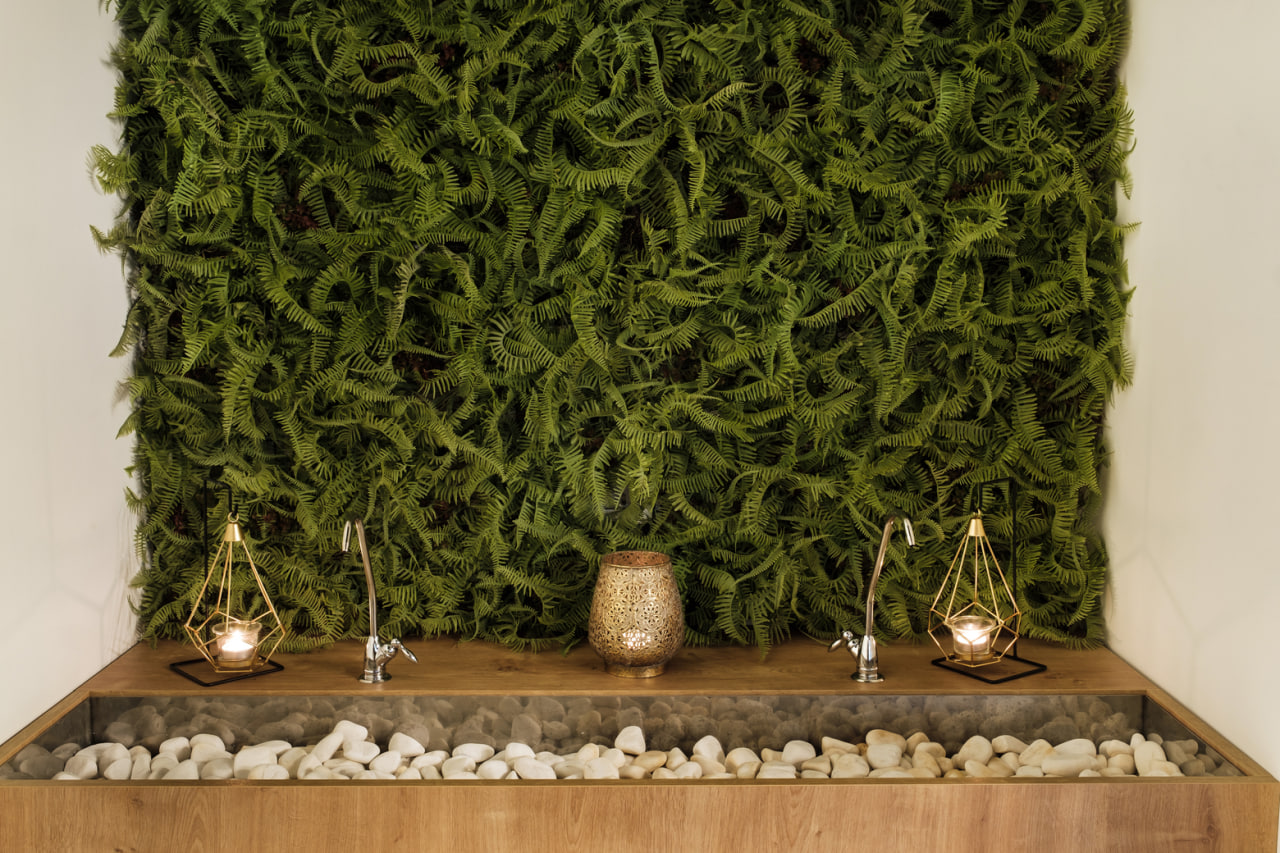
The Benefits of Moss Walls: Calm, Air Quality, and Acoustics
Introducing Moss Walls
Moss walls have become increasingly popular in interior design, offering a unique way to incorporate greenery into indoor spaces. Unlike traditional plants, moss walls are low-maintenance, visually appealing, and versatile, making them suitable for homes, offices, and commercial spaces. Beyond their aesthetic value, moss walls provide tangible benefits for wellbeing, air quality, and acoustics, making them a functional addition as well as a decorative one.
Promoting Calm and Wellbeing
Visual Tranquility
The lush green tones of moss walls create a calming effect on the mind. The natural textures and soft, organic shapes draw attention away from visual clutter, fostering a sense of relaxation. Placing a moss wall in a workspace or living area can reduce stress levels and encourage mindfulness.
Connection to Nature
Moss walls offer a constant, natural presence indoors. This connection to nature, also known as biophilia, helps improve mood, reduce anxiety, and support mental clarity. Even small vertical gardens provide a sense of serenity similar to outdoor greenery.
Encouraging Mindfulness
Interacting with a moss wall—adjusting elements, appreciating textures, or simply observing—can serve as a quiet, meditative practice. These small daily interactions enhance mental wellbeing and provide a moment of pause in busy environments.
Improving Air Quality
Natural Humidity Regulation
Certain types of living moss can help regulate indoor humidity levels by absorbing moisture from the air. This creates a more comfortable environment, especially in dry or climate-controlled interiors.
Dust and Pollutant Filtration
Moss walls naturally capture airborne dust and particles, contributing to cleaner indoor air. While they are not a replacement for air purifiers, they support overall air quality in a subtle and eco-friendly way.
Supporting a Healthier Environment
By introducing living greenery, moss walls contribute to a more natural and balanced indoor ecosystem. Cleaner air and a calming environment work together to enhance productivity, focus, and general health.
Enhancing Acoustics
Sound Absorption
Moss naturally absorbs sound, reducing echo and reverberation in enclosed spaces. This is particularly beneficial in offices, conference rooms, or restaurants, where controlling noise levels is important for comfort and communication.
Creating Quiet Zones
Strategically placing moss walls in areas with heavy foot traffic or near open-plan workspaces can create pockets of acoustic relief. These walls act as sound buffers while maintaining an inviting, visually appealing aesthetic.
Improving Concentration
Reduced noise levels improve focus and concentration, which is especially valuable in workplaces and study areas. A moss wall contributes to a quieter environment without the need for bulky acoustic panels or artificial materials.
Low Maintenance Benefits
Moss walls, particularly those made with preserved moss, require minimal care. There is no need for watering or sunlight, and the vibrant color and texture remain consistent over time. This low-maintenance aspect allows individuals and businesses to enjoy the benefits of greenery without the stress of ongoing upkeep.
Integration in Modern Interiors
Residential Spaces
In homes, moss walls create a calming backdrop in bedrooms, living rooms, or study areas. They combine visual appeal with emotional benefits, transforming ordinary walls into immersive natural features.
Office and Commercial Environments
In workspaces, moss walls contribute to employee wellbeing, reduce stress, and enhance aesthetics. They can also act as functional design elements for noise reduction in open-plan offices or shared areas.
Hospitality and Retail
Restaurants, hotels, and retail spaces benefit from the combination of visual beauty, acoustic improvement, and air-quality enhancement. Moss walls provide a sophisticated, natural touch that aligns with modern eco-conscious design trends.